Sabtu, 19 Maret 2011

[O757.Ebook] Free Ebook Lucid Dreaming, Plain and Simple: Tips and Techniques for Insight, Creativity, and Personal Growth, by Robert Waggoner, Caroline McCready

Free Ebook Lucid Dreaming, Plain and Simple: Tips and Techniques for Insight, Creativity, and Personal Growth, by Robert Waggoner, Caroline McCready

By reviewing this book Lucid Dreaming, Plain And Simple: Tips And Techniques For Insight, Creativity, And Personal Growth, By Robert Waggoner, Caroline McCready, you will obtain the most effective point to acquire. The brand-new point that you don't have to spend over cash to reach is by doing it by on your own. So, exactly what should you do now? Go to the link web page and download the publication Lucid Dreaming, Plain And Simple: Tips And Techniques For Insight, Creativity, And Personal Growth, By Robert Waggoner, Caroline McCready You can get this Lucid Dreaming, Plain And Simple: Tips And Techniques For Insight, Creativity, And Personal Growth, By Robert Waggoner, Caroline McCready by on-line. It's so very easy, right? Nowadays, innovation truly assists you tasks, this on the internet e-book Lucid Dreaming, Plain And Simple: Tips And Techniques For Insight, Creativity, And Personal Growth, By Robert Waggoner, Caroline McCready, is as well.

Lucid Dreaming, Plain and Simple: Tips and Techniques for Insight, Creativity, and Personal Growth, by Robert Waggoner, Caroline McCready

Lucid Dreaming, Plain and Simple: Tips and Techniques for Insight, Creativity, and Personal Growth, by Robert Waggoner, Caroline McCready


Lucid Dreaming, Plain and Simple: Tips and Techniques for Insight, Creativity, and Personal Growth, by Robert Waggoner, Caroline McCready

Free Ebook Lucid Dreaming, Plain and Simple: Tips and Techniques for Insight, Creativity, and Personal Growth, by Robert Waggoner, Caroline McCready

Find out the method of doing something from lots of sources. One of them is this publication entitle Lucid Dreaming, Plain And Simple: Tips And Techniques For Insight, Creativity, And Personal Growth, By Robert Waggoner, Caroline McCready It is a very well known book Lucid Dreaming, Plain And Simple: Tips And Techniques For Insight, Creativity, And Personal Growth, By Robert Waggoner, Caroline McCready that can be referral to check out currently. This advised publication is one of the all wonderful Lucid Dreaming, Plain And Simple: Tips And Techniques For Insight, Creativity, And Personal Growth, By Robert Waggoner, Caroline McCready collections that remain in this website. You will certainly likewise find various other title as well as themes from numerous authors to search here.

Do you ever before know guide Lucid Dreaming, Plain And Simple: Tips And Techniques For Insight, Creativity, And Personal Growth, By Robert Waggoner, Caroline McCready Yeah, this is a quite intriguing book to review. As we told recently, reading is not sort of responsibility activity to do when we need to obligate. Checking out ought to be a habit, an excellent routine. By reviewing Lucid Dreaming, Plain And Simple: Tips And Techniques For Insight, Creativity, And Personal Growth, By Robert Waggoner, Caroline McCready, you could open up the new globe as well as obtain the power from the world. Everything can be obtained via guide Lucid Dreaming, Plain And Simple: Tips And Techniques For Insight, Creativity, And Personal Growth, By Robert Waggoner, Caroline McCready Well briefly, book is extremely powerful. As what we provide you here, this Lucid Dreaming, Plain And Simple: Tips And Techniques For Insight, Creativity, And Personal Growth, By Robert Waggoner, Caroline McCready is as one of reading e-book for you.

By reading this e-book Lucid Dreaming, Plain And Simple: Tips And Techniques For Insight, Creativity, And Personal Growth, By Robert Waggoner, Caroline McCready, you will get the finest point to get. The new point that you do not need to invest over cash to get to is by doing it by on your own. So, exactly what should you do now? Check out the link page and also download the book Lucid Dreaming, Plain And Simple: Tips And Techniques For Insight, Creativity, And Personal Growth, By Robert Waggoner, Caroline McCready You could obtain this Lucid Dreaming, Plain And Simple: Tips And Techniques For Insight, Creativity, And Personal Growth, By Robert Waggoner, Caroline McCready by online. It's so easy, right? Nowadays, technology truly supports you activities, this on-line e-book Lucid Dreaming, Plain And Simple: Tips And Techniques For Insight, Creativity, And Personal Growth, By Robert Waggoner, Caroline McCready, is too.

Be the very first to download this publication Lucid Dreaming, Plain And Simple: Tips And Techniques For Insight, Creativity, And Personal Growth, By Robert Waggoner, Caroline McCready as well as let checked out by coating. It is quite easy to review this e-book Lucid Dreaming, Plain And Simple: Tips And Techniques For Insight, Creativity, And Personal Growth, By Robert Waggoner, Caroline McCready because you do not should bring this printed Lucid Dreaming, Plain And Simple: Tips And Techniques For Insight, Creativity, And Personal Growth, By Robert Waggoner, Caroline McCready almost everywhere. Your soft data e-book can be in our gadget or computer system so you can appreciate reviewing almost everywhere and also whenever if required. This is why whole lots numbers of individuals also check out guides Lucid Dreaming, Plain And Simple: Tips And Techniques For Insight, Creativity, And Personal Growth, By Robert Waggoner, Caroline McCready in soft fie by downloading guide. So, be one of them which take all advantages of reviewing the e-book Lucid Dreaming, Plain And Simple: Tips And Techniques For Insight, Creativity, And Personal Growth, By Robert Waggoner, Caroline McCready by online or on your soft file system.

Lucid Dreaming, Plain and Simple: Tips and Techniques for Insight, Creativity, and Personal Growth, by Robert Waggoner, Caroline McCready

Aimed at beginners, Lucid Dreaming, Plain and Simple shows the reader how to enter and fully experience the lucid dreaming. Among the amazing things Waggoner and McCready teach readers are how to:

  • consciously decide what actions to perform
  • explore dream space (or the contents of your subconscious)
  • interact with dream figures
  • conduct personal and scientific experiments
  • be free of waking state limitations (e.g., flying, walking through walls, and discovering creative solutions to waking issues)

This book approaches lucid dreaming from a more cognitive psychology stance, and focuses more on how to lucid dream and how to use lucid dream techniques for personal growth, insight and transformation. Whether a reader is completely new to lucid dreaming or someone who has experienced that incredible moment of realizing, "This is a dream!", readers will learn valuable tips and techniques gleaned from scientific research and decades of experience to explore this unique state of awareness more deeply.

  • Sales Rank: #39057 in Books
  • Published on: 2015-01-01
  • Original language: English
  • Number of items: 1
  • Dimensions: 9.00" h x .50" w x 6.10" l, .0 pounds
  • Binding: Paperback
  • 224 pages

About the Author
Robert Waggoner is a past President of the International Association for the Study of Dreams (IASD) and a graduate of Drake University with a degree in psychology. He is the co-editor of the online journal, Lucid Dreaming Experience and is a frequent speaker at national and international dream conferences. He is the author of Lucid Dreaming: Gateway to the Inner Self. Visit Robert online at www.lucidadvice.com.

Caroline McCready is a meditation and art teacher based in London.

Most helpful customer reviews

52 of 56 people found the following review helpful.
The Perfect book for Beginners and Intermediate Lucid Dreamers.
By Amazon Customer
It really is the perfect book for beginners and intermediate lucid dreamers. The book's subtitle is the best way to sum up authors Robert Waggoner and Caroline McCready's approach to lucid dreaming. The book is written like a workbook for lucid dreamers to work through and gauge their progress. The techniques given range from the basic 'Labergian' MILDs to Robert's modified hand technique to ones I have never heard of or seen. I consider myself an advanced lucid dreamer with about six years of frequent lucid dreaming experience. I wish I had a book with this much information as a beginner. Most lucid dreaming books are copies of LaBerge's work or filled with induction techniques that just don't work. I've read them all. This book is impressive for looking at the mechanics of the dream space, the aware nature of dream figures, and the symbolism of the overall dream setting. Robert writes deep psychological insights about the entirety of lucid dreaming and Caroline expresses her fresh spiritual and emotional outlook on healing and meditating in lucid dreaming. The intro and beginning act to impart the basics of lucid dreaming and induction techniques.The bulk of the book looks at the lucid dreamer's role in creating the dream and ways in which manipulating your mindstream (beliefs, expectations, focus, intent, and will) manipulates the dream. The authors mention a completely new concept to lucid dreaming called Projected Mental Overlay. This concept is just one of the many new ideas that have never been written about in other lucid dreaming books. The last few chapters are about more intermediate concepts like healing, meditating, and surrendering to an inner Self. The book is more than enough for any just starting their path into lucid dreaming. I feel that if you're already an intermediate lucid dreamer or even an advanced lucid dreamer like me you will find completely new information on the subject of lucid dreaming that pushes you to consider new possibilities. Now -- I also want to say that this book acts as a stepping stone to Robert's first book, "Lucid Dreaming: Gateway to the Inner Self." After reading this book I would very strongly recommend picking up Robert's first book for an even deeper look into advanced lucid dreaming. In fact these are the books I recommend for lucid dreamers trying to get a complete look into the subject:

Beginners : This book then Robert's first book
Intermediate: This book and Charlie Morley's book
Advanced: Robert Waggoner's "Lucid Dreaming: Gateway to the Inner Self" and Tenzin Wangyal Rinpoche's dream yoga book for the spiritually inclined lucid dreamers.

13 of 16 people found the following review helpful.
A Practical Lucid Dreaming Manual
By M Al-Shaer
Book. Review
Robert Waggoner

I waited eagerly for the release of Roberts new book on lucid dreaming.

This book is prefaced with the notion that it is a simple and straightforward practice book with little theory.

First, there is a brief overview of dream neurology and although it lists some of the current research and use of technology in studying dreams it lacks the synthesis of the topic. But it is not unusual in this field that lacks a coherent scientific theory that explains the phenomenon and helps predict what will/won't work in this field.

The second major idea explored which is something that Robert examined in his first book is control of dream environment. Again as in the first book he mentions the lack of complete control and the use of surfers and the ocean metaphor is employed but fails at providing a lucid thought of what can/can't be controlled and why leaving the reader confused. I do not think that this part of lucid dreaming is explained satisfactorily in any of the currently available books.

Induction methods are explored and begins with the famous hands in your face method. The usual description is provided. In the part about hypnosis the authors provide the insightful idea of being aware not to use emotionally charged induction techniques, a thought that evades most hypnotists trying to sell induction application or CDs.

General explanation of the induction methods highlights again the lack of a general theory explaining the process. There is a myriad of methods but it is not clear why they work.

In the chapter about emotional healing the authors approach the idea that hypnosis and lucid dreaming are but different sides of the same phenomenon. Although never stated plainly it appears to be a concept entertained. This is also a new insight into the process.

The topic of meditation in the lucid dream is explained in good details to get you started and explore for yourself.

Overall the book is a good overview of the topic and to me it appeared as a lighter version of Roberts first book with techniques added on to it.
I wished that the book adopted the kindle narration ( voice whisper sync) method instead of the traditional audiobook format.

5 of 5 people found the following review helpful.
Good book from lucid dreaming experts
By Mindfunda Susanne van Doon
I had the privilege of interviewing Robert Waggoner about this book for my blog Mindfunda.
The book combines a lot of usefull "how to's" with mmore philosophical notions about reality and exploring the psyche.
There is a very thought provoking exercise of meditating while being lucid.
You can watch the interview here to get a better notion on the content of the book before you decide to buy it: https://www.youtube.com/watch?v=Go9tsoXlYYc

See all 35 customer reviews...

Lucid Dreaming, Plain and Simple: Tips and Techniques for Insight, Creativity, and Personal Growth, by Robert Waggoner, Caroline McCready PDF
Lucid Dreaming, Plain and Simple: Tips and Techniques for Insight, Creativity, and Personal Growth, by Robert Waggoner, Caroline McCready EPub
Lucid Dreaming, Plain and Simple: Tips and Techniques for Insight, Creativity, and Personal Growth, by Robert Waggoner, Caroline McCready Doc
Lucid Dreaming, Plain and Simple: Tips and Techniques for Insight, Creativity, and Personal Growth, by Robert Waggoner, Caroline McCready iBooks
Lucid Dreaming, Plain and Simple: Tips and Techniques for Insight, Creativity, and Personal Growth, by Robert Waggoner, Caroline McCready rtf
Lucid Dreaming, Plain and Simple: Tips and Techniques for Insight, Creativity, and Personal Growth, by Robert Waggoner, Caroline McCready Mobipocket
Lucid Dreaming, Plain and Simple: Tips and Techniques for Insight, Creativity, and Personal Growth, by Robert Waggoner, Caroline McCready Kindle

Lucid Dreaming, Plain and Simple: Tips and Techniques for Insight, Creativity, and Personal Growth, by Robert Waggoner, Caroline McCready PDF

Lucid Dreaming, Plain and Simple: Tips and Techniques for Insight, Creativity, and Personal Growth, by Robert Waggoner, Caroline McCready PDF

Lucid Dreaming, Plain and Simple: Tips and Techniques for Insight, Creativity, and Personal Growth, by Robert Waggoner, Caroline McCready PDF

Jumat, 18 Maret 2011

[E958.Ebook] PDF Ebook Letting Go?: Sharing Historical Authority in a User-Generated WorldFrom Routledge

PDF Ebook Letting Go?: Sharing Historical Authority in a User-Generated WorldFrom Routledge

How can? Do you assume that you don't need enough time to go for buying e-book Letting Go?: Sharing Historical Authority In A User-Generated WorldFrom Routledge Don't bother! Merely rest on your seat. Open your gadget or computer as well as be on-line. You can open or go to the web link download that we supplied to obtain this Letting Go?: Sharing Historical Authority In A User-Generated WorldFrom Routledge By this method, you can obtain the on the internet book Letting Go?: Sharing Historical Authority In A User-Generated WorldFrom Routledge Checking out the publication Letting Go?: Sharing Historical Authority In A User-Generated WorldFrom Routledge by on the internet could be actually done conveniently by waiting in your computer system and kitchen appliance. So, you could continue each time you have downtime.

Letting Go?: Sharing Historical Authority in a User-Generated WorldFrom Routledge

Letting Go?: Sharing Historical Authority in a User-Generated WorldFrom Routledge


Letting Go?: Sharing Historical Authority in a User-Generated WorldFrom Routledge

PDF Ebook Letting Go?: Sharing Historical Authority in a User-Generated WorldFrom Routledge

Excellent Letting Go?: Sharing Historical Authority In A User-Generated WorldFrom Routledge publication is always being the best pal for spending little time in your office, night time, bus, and also anywhere. It will certainly be an excellent way to simply look, open, as well as review the book Letting Go?: Sharing Historical Authority In A User-Generated WorldFrom Routledge while because time. As known, encounter and skill do not always had the much money to get them. Reading this book with the title Letting Go?: Sharing Historical Authority In A User-Generated WorldFrom Routledge will let you understand more things.

As one of guide compilations to propose, this Letting Go?: Sharing Historical Authority In A User-Generated WorldFrom Routledge has some strong factors for you to read. This book is really suitable with just what you require now. Besides, you will certainly additionally like this publication Letting Go?: Sharing Historical Authority In A User-Generated WorldFrom Routledge to read because this is one of your referred publications to review. When going to get something new based on encounter, amusement, and also various other lesson, you could utilize this publication Letting Go?: Sharing Historical Authority In A User-Generated WorldFrom Routledge as the bridge. Beginning to have reading behavior can be undertaken from various means and from alternative sorts of books

In reading Letting Go?: Sharing Historical Authority In A User-Generated WorldFrom Routledge, now you could not additionally do conventionally. In this modern period, gizmo as well as computer system will assist you a lot. This is the moment for you to open the gadget as well as stay in this site. It is the best doing. You can see the link to download this Letting Go?: Sharing Historical Authority In A User-Generated WorldFrom Routledge below, cannot you? Just click the web link and also negotiate to download it. You can reach acquire the book Letting Go?: Sharing Historical Authority In A User-Generated WorldFrom Routledge by online and all set to download and install. It is extremely different with the conventional method by gong to the book store around your city.

Nonetheless, checking out guide Letting Go?: Sharing Historical Authority In A User-Generated WorldFrom Routledge in this website will lead you not to bring the published publication anywhere you go. Simply save guide in MMC or computer disk and they are offered to check out any time. The thriving air conditioner by reading this soft data of the Letting Go?: Sharing Historical Authority In A User-Generated WorldFrom Routledge can be leaded into something brand-new practice. So currently, this is time to verify if reading could improve your life or otherwise. Make Letting Go?: Sharing Historical Authority In A User-Generated WorldFrom Routledge it surely work as well as get all benefits.

Letting Go?: Sharing Historical Authority in a User-Generated WorldFrom Routledge

Letting Go? investigates path-breaking public history practices at a time when the traditional expertise of museums seems challenged at every turn―by the Web and digital media, by community-based programming, by new trends in oral history and by contemporary art. In this anthology of 19 thought pieces, case studies, conversations and commissioned art, almost 30 leading practitioners such as Michael Frisch, Jack Tchen, Liz Ševcenko, Kathleen McLean, Nina Simon, Otabenga Jones and Associates, and Fred Wilson explore the implications of letting audiences create, not just receive, historical content. Drawing on examples from history, art, and science museums, Letting Go? offers concrete examples and models that will spark innovative work at institutions of all sizes and budgets. This engaging new collection will serve as an introductory text for those newly grappling with a changing field and, for those already pursuing the goal of “letting go,” a tool for taking stock and pushing ahead.

  • Sales Rank: #814564 in Books
  • Published on: 2012-03-15
  • Original language: English
  • Number of items: 1
  • Dimensions: 9.00" h x 1.00" w x 6.00" l, 1.42 pounds
  • Binding: Paperback
  • 336 pages

Review
“Opening a capacious window onto today’s core challenge to history museums—situating historical authority—the chapters in Letting Go? range from the scholarly to the eminently practical. … [It] reminds us that no matter its theoretical appeal, public curation still must be examined from the visitor’s perspective. An ambitious collection, Letting Go? will be valuable for scholar/practitioner/student of the museum field as its continues to define, address and advocate for greater public engagement in our digital age.”


— Leslie Bedford, Director, Leadership in Museum Education Program, Bank Street College of Education


“This wide-ranging collection of perspectives from some of public history’s most innovative practitioners doesn’t so much reject the idea of authority as expand it. Each one shows us how we can develop new expertise for enacting inclusive processes, which not only raise the visibility and social value of what the public may contribute, but simultaneously cultivate the strong community relationships sustaining our institutions into the future. It’s both an essential and energizing set of examples, putting this vital ethos into completely practical terms.”

— Daniel Spock, Director, History Center Museum, Minnesota Historical Society

“User-generated content -- it’s the cutting-edge idea behind everything from Facebook to Wikipedia. And it’s making a huge impact on museums and other public history venues. In this volume you’ll catch some of the sparks shooting off of this exciting new work. And also discover some of the principals that are emerging: how good boundaries paradoxically make for better creative expression, and why historians’ traditional strengths—context, editing, presentation—are needed even more in this new world.”


— Tom Hanchett, Staff Historian, Levine Museum of the New South, Charlotte


“Our values direct what we do and how we do it. Letting Go? recognizes power structures in existing models and challenges us to articulate our values, reflect on our work, and sharpen our practice. Are we truly living out our values? Letting Go? provides fresh directions for meaningful, responsive and strategic community-based work.”

— Cassie Chinn, Deputy Executive Director, Wing Luke Museum of the Asian Pacific American Experience


“Technically, historical authority has always been shared with the public, but the expert public voice has not always been able to break through the practiced illusions of monumental scholarship and hallowed history. The marvelous and inspiring examples in Letting Go? will shape the aspirations of the future history museum as its practice leaders readjust their grip on ideas of authority. It will also guide institutions as they fulfill the next steps after letting go: reaching out, embracing lives, and reflecting, in the presence of the past and each other, on the complex beauties of our culture. This is a book about becoming something together, our most important process as human beings.”

—David Carr, author of Open Conversations: Public Learning in Libraries and Museums

“Authority. What is it and who has it? Or better, Who used to have it and who has it now? Museums generally, but history museums especially, have been wrestling with these questions for two decades. This useful and intelligent offering from Pew, with contributions from 21 artists, educators, and museum practitioners, may help us get closer to some answers. Or even refine the questions, which seem to be along the lines of What is lost and what is gained when we invite the public into the once-sacred realm of interpretation?”

— Museum Magazine


“The central premise of Letting Go is that the museum generation of the 21st century is defined by shared authority and collaborative making of meaning with the public.... The essays and conversations in Letting Go are accessible and share important insights, best practices, and hard-won experiences with readers. Together, they would be of use to students and scholars, especially those in museum studies, history, material culture studies, anthropology, and art.� Letting Go... fills a need for guides on sharing authority for new and established museum professionals and those who work with museums.”

— Museum Anthropology


�


"Thought-provoking….The contributors are museum educators, exhibition designers, public-history specialists, artists, cultural activists, and others who present or evaluate new ways of thinking about public history and how knowledge is acquired."?

—Illinois Heritage Association Newsletter

About the Author
Bill Adair is director of the Heritage Philadelphia Program, Pew Center for Arts and Heritage. Benjamin Filene is director of public history and associate professor at the University of North Carolina, Greensboro, and author of Romancing the Folk: Public Memory and American Roots Music (New York Times Notable Book 2001). Laura Koloski is a senior program specialist with the Heritage Philadelphia Program, Pew Center for Arts and Heritage.

Most helpful customer reviews

5 of 7 people found the following review helpful.
Table of Contents
By Stefania Rosenstein
Foreword by Paula Marincola, Executive Director, Pew Center for Arts and Heritage
Introduction
The editors
PART I: VIRTUALLY BREAKING DOWN: AUTHORITY AND THE WEB
1. Participatory Design and the Future of Museums, Nina Simon
2. Where Are the Best Stories? Where Is My Story?--Participation and Curation in a New Media Age, Steve Zeitlin
3. Online Dialogue and Cultural Practice: A Conversation, Matthew Fisher and Bill Adair
4. Get Real! The Role of Objects in the Digital Age, Matthew MacArthur
PART II: THROWING OPEN THE DOORS: COMMUNITIES AS CURATORS
5. Whose Questions, Whose Conversations?, Kathy McLean
6. The "Dialogic Museum" Revisited: A Collaborative Reflection, John Kuo Wei Tchen and Liz Ševcenko
7. Moving Pictures: Minnesota's Most Rewarding Film Competition, Randal Dietrich, "Introduction"; Matt Ehling, "From Book to Film--The Artifacts of Wartime History"; Tom Drube, "Remembering Grandma Lucy"
8. Community as Curator: A Case Study at the Brooklyn Historical Society, Deborah Schwartz and Bill Adair
PART III: HEARING VOICES: SHARING AUTHORITY THROUGH ORAL HISTORY
9. From A Shared Authority to the Digital Kitchen, and Back, Michael Frisch
10. Make Yourself at Home: Welcoming Voices in Open House: If These Walls Could Talk, Benjamin Filene
11. The Black Bottom: Making Community-Based Performance in West Philadelphia, Billy Yalowitz, with graphic art by Pete Stathis
12. Listening Intently: Can StoryCorps Teach Museums How to Win the Hearts of New Audiences?, Benjamin Filene
PART IV: THE QUESTION OF EVALUATION: UNDERSTANDING THE VISITORS' RESPONSE
13. Public Curation: From Trend to Research-Based Practice, Tom Satwicz and Kris Morrisey
PART V: CONSTRUCTING PERSPECTIVES: ARTISTS AND HISTORICAL AUTHORITY
14. Peering Behind the Curtain: Artists and Questioning Historical Authority, Melissa Rachle
15. Mining the Museum Revisited: A Conversation, Fred Wilson, Paula Marincola, and Marjorie Schwarzer
16. "The Fever Dream of the Amateur Historian": Ben Katchor's The Rosenbach Company: A Tragicomedy, Melissa Rachleff
17. Embracing the Unexpected: Artists in Residence at the American Philosophical Society, Laura Koloski
18. Fred Sanford Meets Sun Ra, Otabenga Jones
19. A London Travelogue: Visiting Dennis Severs' House, Mary Teeling

0 of 1 people found the following review helpful.
Fantastic Perspectives on Modern Museums
By Lindsey
This was a great collection of articles about how museums are changing in the modern world. This is a must-read for emerging and veteran museum professionals alike.

0 of 3 people found the following review helpful.
Just As I Expected.
By Joshua
The book shipped and arrived just as I had expected it to. What more can I ask. Book was in the condition as described.

See all 4 customer reviews...

Letting Go?: Sharing Historical Authority in a User-Generated WorldFrom Routledge PDF
Letting Go?: Sharing Historical Authority in a User-Generated WorldFrom Routledge EPub
Letting Go?: Sharing Historical Authority in a User-Generated WorldFrom Routledge Doc
Letting Go?: Sharing Historical Authority in a User-Generated WorldFrom Routledge iBooks
Letting Go?: Sharing Historical Authority in a User-Generated WorldFrom Routledge rtf
Letting Go?: Sharing Historical Authority in a User-Generated WorldFrom Routledge Mobipocket
Letting Go?: Sharing Historical Authority in a User-Generated WorldFrom Routledge Kindle

Letting Go?: Sharing Historical Authority in a User-Generated WorldFrom Routledge PDF

Letting Go?: Sharing Historical Authority in a User-Generated WorldFrom Routledge PDF

Letting Go?: Sharing Historical Authority in a User-Generated WorldFrom Routledge PDF

Kamis, 17 Maret 2011

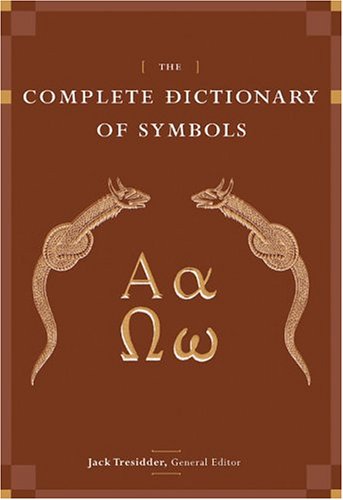
[Y951.Ebook] Free Ebook The Complete Dictionary of Symbols, by Jack Tresidder

Free Ebook The Complete Dictionary of Symbols, by Jack Tresidder

Yeah, checking out an e-book The Complete Dictionary Of Symbols, By Jack Tresidder can add your pals checklists. This is just one of the solutions for you to be effective. As understood, success does not imply that you have great things. Comprehending and understanding greater than other will provide each success. Beside, the message and also perception of this The Complete Dictionary Of Symbols, By Jack Tresidder can be taken and also selected to act.

The Complete Dictionary of Symbols, by Jack Tresidder

The Complete Dictionary of Symbols, by Jack Tresidder


The Complete Dictionary of Symbols, by Jack Tresidder

Free Ebook The Complete Dictionary of Symbols, by Jack Tresidder

The Complete Dictionary Of Symbols, By Jack Tresidder. It is the time to improve as well as freshen your ability, understanding and encounter included some home entertainment for you after long time with monotone points. Working in the workplace, going to study, learning from test and even more activities might be finished and also you should start new things. If you feel so worn down, why don't you attempt new thing? An extremely easy point? Checking out The Complete Dictionary Of Symbols, By Jack Tresidder is just what our company offer to you will certainly know. And the book with the title The Complete Dictionary Of Symbols, By Jack Tresidder is the reference currently.

The reason of why you could obtain as well as get this The Complete Dictionary Of Symbols, By Jack Tresidder quicker is that this is the book in soft data kind. You can read guides The Complete Dictionary Of Symbols, By Jack Tresidder wherever you really want even you remain in the bus, office, residence, and other areas. But, you might not should relocate or bring the book The Complete Dictionary Of Symbols, By Jack Tresidder print any place you go. So, you will not have much heavier bag to carry. This is why your option to make better concept of reading The Complete Dictionary Of Symbols, By Jack Tresidder is truly valuable from this case.

Knowing the method how you can get this book The Complete Dictionary Of Symbols, By Jack Tresidder is also useful. You have actually been in appropriate website to start getting this info. Get the The Complete Dictionary Of Symbols, By Jack Tresidder web link that we give right here and check out the link. You can get guide The Complete Dictionary Of Symbols, By Jack Tresidder or get it when possible. You could swiftly download this The Complete Dictionary Of Symbols, By Jack Tresidder after obtaining bargain. So, when you need guide swiftly, you can directly get it. It's so simple therefore fats, isn't it? You need to like to in this manner.

Just connect your tool computer system or gadget to the internet linking. Obtain the modern technology making your downloading The Complete Dictionary Of Symbols, By Jack Tresidder finished. Also you do not wish to check out, you could directly shut the book soft data and also open The Complete Dictionary Of Symbols, By Jack Tresidder it later on. You can likewise effortlessly get guide anywhere, since The Complete Dictionary Of Symbols, By Jack Tresidder it remains in your gadget. Or when being in the office, this The Complete Dictionary Of Symbols, By Jack Tresidder is additionally suggested to review in your computer system gadget.

The Complete Dictionary of Symbols, by Jack Tresidder

The Complete Dictionary of Symbols is an engaging and accessible guide to more than 2,000 major themes, figures, and symbols that are commonly found in myth, art, and literature. Drawing on classical mythologies, Biblical themes, and traditional symbols from cultures worldwide, this user-friendly, attractively priced reference has comprehensive entries on everything from individual animals, plants, and objects to gods, goddesses, supernatural creatures, heroes, heroines, mythical episodes, prophets, saints, miracles, and myriad other subjects. Whether the topic at hand is Mercury or Merlin, the Egyptian ankh or the humble ant, engaging text reveals the origins and meaning of each symbol. Interspersed with the main entries are short articles on themes of special interest, such as the Sun, Moon, and stars, or common vices. Three hundred illustrations, an intuitive system of cross-referencing, and authoritative research make The Complete Dictionary of Symbols a reliable resource for school, home, or library.

  • Sales Rank: #855800 in Books
  • Brand: Chronicle Books
  • Published on: 2005-02-24
  • Ingredients: Example Ingredients
  • Format: Facebook
  • Original language: English
  • Number of items: 1
  • Dimensions: 9.30" h x 1.60" w x 6.40" l, 2.75 pounds
  • Binding: Paperback
  • 544 pages
Features
  • Used Book in Good Condition

From School Library Journal
Grade 9 Up–This dictionary is both too modest and too boastful: it condenses hundreds of myths and includes deities, heroes, saints, historical figures, animals, etc., with connections to art and literature, yet it is hardly exhaustive. Double the length of Tresidder's Dictionary of Symbols (Chronicle, 1998; o.p.), it preserves that work's format and adds a brief bibliography. Most of the author's Symbols and Their Meanings (Sterling, 2000) is also found here. Marginalia include primary-source citations and cross-references. Violet backgrounds distinguish 60 short articles on such diverse topics as Trojan War heroes, the Buddha, angels, avatars of Vishnu, dance, liberty, the jaguar, and more. The book includes many non-Western myths and symbols, but a broad perspective in some articles is lacking. The features on architecture, chastity, the ages of man, and religious orders are entirely European in focus. Many articles–e.g., on music, floods, fish, dragons, death, creation–are culturally broader. Africa deserves better coverage. Small black-and-white and/or violet graphics–useful, if not compelling–appear on most pages. Clare Gibson's Signs & Symbols (Grange) and Miranda Bruce-Mitford's Illustrated Book of Signs & Symbols (DK, both 1996), though less complete, will attract browsers with their color photos. Hans Biedermann's Dictionary of Symbolism (Facts On File, 1992) is better illustrated, more detailed on Western symbols, less global; Tresidder's volume offers high value for cost, if there is a myth/symbol gap on the reference shelf.–Patricia D. Lothrop, St. George's School, Newport, RI
Copyright © Reed Business Information, a division of Reed Elsevier Inc. All rights reserved.

From Booklist
This is the first symbols source to be labeled complete, although the introduction does not specify the qualities that make it so. Its 2,000 entries are twice the number found in other resources on the topic, such as Tresidder's 1998 Dictionary of Symbols: An Illustrated Guide to Traditional Images, Icons, and Emblems (much of which is duplicated in the newer book). The alphabetically arranged entries focus on classical and Christian symbolism but encompass other traditions worldwide. In addition to traditional symbols (e.g., objects, animals, flowers, shapes), the volume includes legends, themes, or concepts important for understanding systems of symbols and historical, mythological, or religious figures. It also includes brief references to the use of the symbol in art. For example, the entry alchemy is identical to that in the Dictionary of Symbols except for a reference to the depiction of alchemists in Vasari's painting The Alchemist's Laboratory. The Complete Dictionary's articles range from a few sentences to one-page panels on more comprehensive topics (Colours; Elements; Music, musical instruments). Its format is similar to Dictionary of Symbols, with see references and sources placed awkwardly in the margins, where they might be missed. Bibliographical references are minimal; most cite only basic sources such as Psalms 42:1 for Stag or Pliny the Elder's Natural History for Phoenix. A geographically arranged bibliography at the end of the volume includes a good selection of older, classic texts on art, mythology, and religion. Illustrations are in-house drawings from original artifacts rather than actual photos. The Complete Dictionary of Symbols is an acceptable reference book for home and small libraries and for public libraries that need a symbol source for general readers. It overlaps very little with the fascinating, graphically oriented Symbols.com (a free Internet source). It is unnecessary for larger collections that already have scholarly sources such as Carl G. Liungman's Dictionary of Symbols (Norton, 1994), Hans Biedermann and James Hulbert's Dictionary of Symbolism: Cultural Icons and the Meaning behind Them (Facts On File, 1992), and Anthony Stevens' excellent, thematically arranged Ariadne's Clue: A Guide to the Symbols of Humankind (Princeton, 1999). Christine Whittington
Copyright © American Library Association. All rights reserved

About the Author
Jack Tresidder is a journalist and critic who has written about foreign affairs and the arts in the UK and his native New Zealand. He lives in the French Alps.

Most helpful customer reviews

0 of 0 people found the following review helpful.
A Keystone in the Study of Symbols
By Alan Lewis
To me, "Complete Dictionary of Symbols" by Jack Tressider is absolutely essential. Usually the symbols books that interest me are those having to do with graphic symbols, mainly the really simple ones such as a straight horizontal line, two equilateral triangles back to back, a forked cross. So I basically backed into this book at our public library. "Complete Dictionary of Symbols" is tremendously helpful, it would be hard to recommend it too much, and the only exception I would take - a minuscule one - is use of the word, "Complete," in the title, titles generally being decisions of publishers, not authors. My latest example here is the lack of a "Keystone" article. The keystone is also not covered in the "Arch" article. This is a pretty important omission, and there are others. However, such considerations are overwhelmed by the terrific amount that is included in this fantastically valuable reference. The Amazon-associated seller in Excelsior, Minnesota - drawing a blank on the company's name - could not possibly have done a better job of getting this purchase to me. This purchase was outstanding all around.

20 of 20 people found the following review helpful.
Accessible, up-to-date, thorough, fun to read--What more to ask?
By Paul Seaman
I have bought several books on symbols recently and this is by far the best. It is well laid out with featured articles, good cross-references and, esp. impressive, footnoting of sources. While no book, especially of the encyclopeidic kind, can be "Complete" -- an admittedly pretentious title -- this book comes close. That's just marketing (like all the new cars and shaving cream advertised as the "ultimate" this or that . . .) The illustrations in this book, mostly line drawings, are attractive and well chosen. Whereas, the illustrations in other symbols books (such as Biedermann's "Dictionary of Symbolism") seem arbitrarily chosen, perhaps for their lack of copyright (!) or just for dramatic effect.

For what it is, unless you've got your own private Wikipedia, I don't see how anyone could be disappointed by this book.

10 of 10 people found the following review helpful.
Thorough and informative
By Me
The layout of the book and the information it includes is well put together. It reads like an encyclopedia with diagrams and is quite thorough with explaining the significance of the symbols throughout the world's history and in mythology.

I refer to the book more often than I anticipated that I would. I use it for referencing symbol origins and their meanings of course, and surprisingly I find that using the book for dream interpretation works excellently.

For anyone who regards symbolism as important, I give the book my highest recommendation.

See all 10 customer reviews...

The Complete Dictionary of Symbols, by Jack Tresidder PDF
The Complete Dictionary of Symbols, by Jack Tresidder EPub
The Complete Dictionary of Symbols, by Jack Tresidder Doc
The Complete Dictionary of Symbols, by Jack Tresidder iBooks
The Complete Dictionary of Symbols, by Jack Tresidder rtf
The Complete Dictionary of Symbols, by Jack Tresidder Mobipocket
The Complete Dictionary of Symbols, by Jack Tresidder Kindle

The Complete Dictionary of Symbols, by Jack Tresidder PDF

The Complete Dictionary of Symbols, by Jack Tresidder PDF

The Complete Dictionary of Symbols, by Jack Tresidder PDF

Sabtu, 12 Maret 2011

[K886.Ebook] Download PDF Principles and Practices of Business Continuity: Tools and Techniques, by Jim Burtles KLJ CMLJ FBCI

Download PDF Principles and Practices of Business Continuity: Tools and Techniques, by Jim Burtles KLJ CMLJ FBCI

Exactly how can? Do you think that you do not need sufficient time to go for purchasing publication Principles And Practices Of Business Continuity: Tools And Techniques, By Jim Burtles KLJ CMLJ FBCI Don't bother! Simply rest on your seat. Open your gizmo or computer system and be on the internet. You can open or check out the link download that we offered to get this Principles And Practices Of Business Continuity: Tools And Techniques, By Jim Burtles KLJ CMLJ FBCI By through this, you could obtain the on the internet publication Principles And Practices Of Business Continuity: Tools And Techniques, By Jim Burtles KLJ CMLJ FBCI Reading the book Principles And Practices Of Business Continuity: Tools And Techniques, By Jim Burtles KLJ CMLJ FBCI by on the internet can be truly done conveniently by waiting in your computer as well as gizmo. So, you could proceed each time you have leisure time.

Principles and Practices of Business Continuity: Tools and Techniques, by Jim Burtles KLJ CMLJ FBCI

Principles and Practices of Business Continuity: Tools and Techniques, by Jim Burtles KLJ CMLJ FBCI


Principles and Practices of Business Continuity: Tools and Techniques, by Jim Burtles KLJ CMLJ FBCI

Download PDF Principles and Practices of Business Continuity: Tools and Techniques, by Jim Burtles KLJ CMLJ FBCI

Principles And Practices Of Business Continuity: Tools And Techniques, By Jim Burtles KLJ CMLJ FBCI. In what case do you like reviewing so a lot? What regarding the kind of the publication Principles And Practices Of Business Continuity: Tools And Techniques, By Jim Burtles KLJ CMLJ FBCI The needs to review? Well, everybody has their own factor why must check out some e-books Principles And Practices Of Business Continuity: Tools And Techniques, By Jim Burtles KLJ CMLJ FBCI Primarily, it will connect to their requirement to obtain knowledge from guide Principles And Practices Of Business Continuity: Tools And Techniques, By Jim Burtles KLJ CMLJ FBCI as well as intend to review merely to obtain amusement. Novels, story book, and various other entertaining publications become so preferred today. Besides, the clinical books will also be the ideal factor to choose, particularly for the students, teachers, medical professionals, business person, and also various other occupations that are warm of reading.

The method to obtain this book Principles And Practices Of Business Continuity: Tools And Techniques, By Jim Burtles KLJ CMLJ FBCI is quite easy. You could not go for some places and invest the moment to only find guide Principles And Practices Of Business Continuity: Tools And Techniques, By Jim Burtles KLJ CMLJ FBCI In fact, you may not consistently get the book as you want. However right here, just by search as well as discover Principles And Practices Of Business Continuity: Tools And Techniques, By Jim Burtles KLJ CMLJ FBCI, you could get the lists of the books that you really anticipate. In some cases, there are many books that are showed. Those books of course will astonish you as this Principles And Practices Of Business Continuity: Tools And Techniques, By Jim Burtles KLJ CMLJ FBCI compilation.

Are you interested in mostly books Principles And Practices Of Business Continuity: Tools And Techniques, By Jim Burtles KLJ CMLJ FBCI If you are still perplexed on which of the book Principles And Practices Of Business Continuity: Tools And Techniques, By Jim Burtles KLJ CMLJ FBCI that must be acquired, it is your time to not this website to seek. Today, you will require this Principles And Practices Of Business Continuity: Tools And Techniques, By Jim Burtles KLJ CMLJ FBCI as the most referred book as well as many needed publication as sources, in other time, you can enjoy for a few other books. It will certainly depend on your eager needs. Yet, we always recommend that books Principles And Practices Of Business Continuity: Tools And Techniques, By Jim Burtles KLJ CMLJ FBCI can be a wonderful invasion for your life.

Even we discuss guides Principles And Practices Of Business Continuity: Tools And Techniques, By Jim Burtles KLJ CMLJ FBCI; you may not find the printed books here. So many collections are supplied in soft documents. It will exactly give you much more perks. Why? The first is that you may not have to bring guide everywhere by fulfilling the bag with this Principles And Practices Of Business Continuity: Tools And Techniques, By Jim Burtles KLJ CMLJ FBCI It is for guide is in soft file, so you can wait in device. Then, you can open up the gizmo anywhere and review guide correctly. Those are some couple of benefits that can be got. So, take all advantages of getting this soft file publication Principles And Practices Of Business Continuity: Tools And Techniques, By Jim Burtles KLJ CMLJ FBCI in this site by downloading in web link provided.

Principles and Practices of Business Continuity: Tools and Techniques, by Jim Burtles KLJ CMLJ FBCI

Tap into the Global Knowledge Base of One of Business Continuity's Legendary Leaders. Expand your perspectives and expertise by tapping into the vast, global knowledge base of Jim Burtles -- recipient of The Business Continuity Institute's Lifetime Achievement Award, an internationally renowned pioneer in Business Continuity Management with 30 years' experience in consulting and teaching in 22 countries, and a counselor during 90 disasters and 200 emergencies worldwide. ** Particularly useful in large multi-location or multinational companies, this book is standards-based, includes global best practices, shows how to develop a comprehensive and rigorous plan, and provides grounding in the whys and wherefores of Business Continuity Planning. ** Downloadable Resources include case studies, forms, checklists, sample plans, plus an Instructor's Manual for college and corporate training courses. "Jim Burtles is one of the few practitioners who have both the depth of knowledge and length of experience to write what might arguably be the most comprehensive review of the subject ever produced." - Lyndon Bird, Technical Director, The Business Continuity Institute

  • Sales Rank: #918748 in eBooks
  • Published on: 2007-07-01
  • Released on: 2015-01-01
  • Format: Kindle eBook

Review
REVIEWS

An invaluable, comprehensive and practical guide to assist companies of all sizes with their Business Continuity Planning written by a BC practitioner with years of experience to help others learn and avoid pitfalls.
-- Survive - The Business Continuity Group


Jim Burtles is one of the few practitioners who have both the depth of knowledge and length of experience to write what might arguably be the most comprehensive review of the subject ever produced.

Jim's contribution to Business Continuity has been enormous his unfailing intellectual rigor about his subject, his passion for persuading others of its importance and his determination to turn Business Continuity Management into a mainstream management discipline has never wavered. When others might have thought of retiring, Jim has just started on another challenge, the latest being this formidable tour de force through the complexities of Business Continuity.

With so much current debate about the exact nature and boundaries of Business Continuity Management, this book puts it all into perspective and gives us an authoritative view from someone who has really seen and done it all during a long and outstanding BCM career.
-- Lyndon Bird, Technical Services Director, The Business Continuity Institute


Jim Burtles has made an important addition to the written materials available to business continuity planners. It is comprehensive without being tedious and provides an excellent base line for both planning neophytes and a useful reference for more experienced practitioners.

Business continuity originally lumped together with other types of disaster recovery is increasingly important in a world where all types of disasters seem to occur with increasing frequency. A look back at very recent events reveals product recalls, forest fires, earthquakes, storms, bombings, and floods, just to name a few. Each brought with it not only personal tragedies and dislocations, but also threats to the viability of businesses located in the disaster area(s). Businesses generally recognize the need to and importance of good planning in this area to ensure that they respond well to such incidents especially with regard to mitigating damage and getting back to normal afterward.

However, such planning is neither straightforward nor easy to do. There are many twists and turns along the path to a comprehensive and well-functioning business continuity plan. Those charged with this function always welcome a good reference to ease the task and ensure that as few loose ends as possible are left. Principles and Practice of Business Continuity: Tools and Techniques is just such a basic reference. Its author, Jim Burtles, has over 30 years of international experience in a wide variety of disasters that has equipped him to write an overview of what goes into business continuity planning and his book does this very well. Of particular value is the CD that accompanies the book enhancing its value as a text and as a reference. The CD has 24 planning and analysis tools, including sample plans, checklists, and exercise guides, along with case studies, exercises web references, and more.
-- Security Management Magazine
--Reviews 1

Jim Burtles is one of the few practitioners who have both the depth of knowledge and length of experience to write what might arguably be the most comprehensive review of the subject ever produced. Jim s contribution to Business Continuity has been enormous --- his unfailing intellectual rigour about his subject, his passion for persuading others of its importance and his determination to turn Business Continuity Management into a mainstream management discipline has never wavered. When others might have thought of retiring Jim has just started on another challenge, the latest being this formidable 'tour de force' through the complexities of Business Continuity. With so much current debate about the exact nature and boundaries of Business Continuity Management, this book puts it all into perspective and gives us an authoritative view from someone who has really seen and done it all during a long and outstanding BCM career. --Lyndon Bird, Technical Services Director, The Business Continuity Institute.

Business continuity is increasingly important in a flat world where disasters seem to occur with greater frequency: product recalls, forest fires, earthquakes, storms, bombings, and floods, just to name a few. Each brings with it not only personal tragedies and dislocations but also threats to the viability of affected businesses. Companies generally recognize the need for planning to ensure that they respond well to such incidents especially with regard to mitigating damage and getting back to normal afterward. But the path to a comprehensive and well-functioning business continuity plan is filled with twists, turns, and roadblocks. Those charged with this function always welcome a solid, fundamental guidebook. This work is just that kind of basic reference. Its author has more than 30 years of international experience in a wide variety of disasters, which has equipped him to write an overview of what goes into business continuity planning and his book does this very well. Of particular practical value is the book s accompanying CD-ROM, which has 24 planning and analysis tools, including sample plans, checklists, exercise guides, case studies, exercises, Web references, and more. --Security Management Magazine

From the Back Cover
Key Features

a[ Prepares managers for events that interrupt critical business functions.

a[ Includes review and audit programs to ensure plans are up-to-date.

a[ Follows international standards for business continuity.

a[ Endorsed by the Business Continuity Institute

About the Author

Jim Burtles, KLJ, MMLJ, FBCI, is a highly regarded global leader and practitioner in the Business Continuity profession with over 35 years of experience spread across 24 countries. He is also the author of Principles and Practice of Business Continuity: Tools and Techniques and is working on a Second Edition due for publication in early 2015.
Burtles was one of founders of the Business Continuity Institute (BCI) and in 2001 his peers presented him with BCI's Lifetime Achievement Award. In his work as BCI's Standards Officer, Burtles was heavily involved in the evolution of its professional standards and ethics. As an honorary fellow he now serves on the Global Membership Council representing the interests of the worldwide membership.
He received the Freedom of the City of London in 1992. In 2005 was granted the rank of a Knight of Grace in the Military and Hospitaller Order of St. Lazarus of Jerusalem, an ancient charitable body concerned with the treatment of skin diseases.
Burtles' first involvement with disaster recovery was in 1974 as a field engineer responsible for repairing and recovering a critical banking system struck by lightning. He went on to become IBM's disaster recovery country specialist before joining a disaster recovery service as their principal emergency management consultant in 1987.
In 2001 he set out on his own as the principal of Total Continuity Management, where he now focuses on executive level training and the development of specialist emergency response skills.
Throughout all these years he tended to specialize in serving the personal needs of those involved in emergency situations. He trained and served as a trauma counselor before developing a counseling technique aimed at helping the victims of disaster-related trauma. This was published in 1998 as A Counselor s Guide to the Restabilization Process. His practical experience includes hands-on recovery work with victims of such violent events as riots, bombings, earthquakes, storms, and fires. This includes technical assistance and support in 90-odd disasters, as well as advice and guidance for clients in over 200 emergency situations.
Through his activities as a trainer and consultant, he has helped to introduce the personal aspects of business continuity, emergency planning, and related disciplines into both the public and private sectors.

Most helpful customer reviews

4 of 4 people found the following review helpful.
Business Continuity Planning at its best!
By Sherry
This book should be a staple in your library if you are responsible for business continuity and DR planning at your company. I was new to the field so I really appreciated how the book was layed out and how easy it was to transfer the information to my plan. There are a lot of applicable practices, tools, cheatsheets, etc that you can easily incorporate into your plan. I was very pleased with this book.

4 of 6 people found the following review helpful.
From the Publisher
By P. J Rothstein
Jim Burtles is one of the business continuity professionals I most admire because of his long-standing commitment to the business continuity industry, and his extensive contributions to the profession over his broad career.

So, as a publisher (and as publisher of this book) I was thrilled when I first saw Jim's manuscript. There are not many people who could have written this book - and far fewer who could have written it nearly as well.

This book is an ideal combination of the practice of business continuity - standards, best practices, global perspective - and, the process of business continuity - planning, development, implementation, and so forth. Jim presents a clear picture of not just how to do what needs to be done, but why. By striking a balance between theory and practice, I believe Jim's approach makes the reader's job much easier and more effective.

There are other books on business continuity - I have edited or published many of them - but Jim Burtles' book is my favorite. With the included CD-ROM containing extensive tools and resources, this book is a no-brainer for anyone who wants to understand business continuity management, is about to embark on implementing a business continuity program, or is looking to bring an existing business continuity program up to world-class best practice.

See all 2 customer reviews...

Principles and Practices of Business Continuity: Tools and Techniques, by Jim Burtles KLJ CMLJ FBCI PDF
Principles and Practices of Business Continuity: Tools and Techniques, by Jim Burtles KLJ CMLJ FBCI EPub
Principles and Practices of Business Continuity: Tools and Techniques, by Jim Burtles KLJ CMLJ FBCI Doc
Principles and Practices of Business Continuity: Tools and Techniques, by Jim Burtles KLJ CMLJ FBCI iBooks
Principles and Practices of Business Continuity: Tools and Techniques, by Jim Burtles KLJ CMLJ FBCI rtf
Principles and Practices of Business Continuity: Tools and Techniques, by Jim Burtles KLJ CMLJ FBCI Mobipocket
Principles and Practices of Business Continuity: Tools and Techniques, by Jim Burtles KLJ CMLJ FBCI Kindle

Principles and Practices of Business Continuity: Tools and Techniques, by Jim Burtles KLJ CMLJ FBCI PDF

Principles and Practices of Business Continuity: Tools and Techniques, by Jim Burtles KLJ CMLJ FBCI PDF

Principles and Practices of Business Continuity: Tools and Techniques, by Jim Burtles KLJ CMLJ FBCI PDF

Rabu, 09 Maret 2011

[E273.Ebook] Free Ebook , by Aslam (Aslam Kassimali) Kassimali: Structural Analysis, SI Edition Fourth (4th) Edition, by -Author-

Free Ebook , by Aslam (Aslam Kassimali) Kassimali: Structural Analysis, SI Edition Fourth (4th) Edition, by -Author-

The presented book , By Aslam (Aslam Kassimali) Kassimali: Structural Analysis, SI Edition Fourth (4th) Edition, By -Author- we offer right here is not type of common book. You know, reading now doesn't indicate to deal with the published book , By Aslam (Aslam Kassimali) Kassimali: Structural Analysis, SI Edition Fourth (4th) Edition, By -Author- in your hand. You could get the soft file of , By Aslam (Aslam Kassimali) Kassimali: Structural Analysis, SI Edition Fourth (4th) Edition, By -Author- in your gadget. Well, we mean that guide that we extend is the soft data of guide , By Aslam (Aslam Kassimali) Kassimali: Structural Analysis, SI Edition Fourth (4th) Edition, By -Author- The material and all things are very same. The distinction is only the kinds of the book , By Aslam (Aslam Kassimali) Kassimali: Structural Analysis, SI Edition Fourth (4th) Edition, By -Author-, whereas, this condition will precisely be profitable.

, by Aslam (Aslam Kassimali) Kassimali: Structural Analysis, SI Edition Fourth (4th) Edition, by -Author-

, by Aslam (Aslam Kassimali) Kassimali: Structural Analysis, SI Edition Fourth (4th) Edition, by -Author-


, by Aslam (Aslam Kassimali) Kassimali: Structural Analysis, SI Edition Fourth (4th) Edition, by -Author-

Free Ebook , by Aslam (Aslam Kassimali) Kassimali: Structural Analysis, SI Edition Fourth (4th) Edition, by -Author-

Reviewing a book , By Aslam (Aslam Kassimali) Kassimali: Structural Analysis, SI Edition Fourth (4th) Edition, By -Author- is type of simple task to do each time you want. Even checking out each time you want, this task will not interrupt your various other tasks; several people typically check out guides , By Aslam (Aslam Kassimali) Kassimali: Structural Analysis, SI Edition Fourth (4th) Edition, By -Author- when they are having the extra time. Just what concerning you? What do you do when having the extra time? Don't you spend for worthless things? This is why you have to get guide , By Aslam (Aslam Kassimali) Kassimali: Structural Analysis, SI Edition Fourth (4th) Edition, By -Author- and aim to have reading habit. Reviewing this publication , By Aslam (Aslam Kassimali) Kassimali: Structural Analysis, SI Edition Fourth (4th) Edition, By -Author- will certainly not make you useless. It will certainly provide a lot more advantages.

If you get the printed book , By Aslam (Aslam Kassimali) Kassimali: Structural Analysis, SI Edition Fourth (4th) Edition, By -Author- in on the internet book establishment, you could also discover the same trouble. So, you have to relocate establishment to shop , By Aslam (Aslam Kassimali) Kassimali: Structural Analysis, SI Edition Fourth (4th) Edition, By -Author- and also hunt for the readily available there. However, it will certainly not take place right here. The book , By Aslam (Aslam Kassimali) Kassimali: Structural Analysis, SI Edition Fourth (4th) Edition, By -Author- that we will offer right here is the soft file concept. This is just what make you could effortlessly find as well as get this , By Aslam (Aslam Kassimali) Kassimali: Structural Analysis, SI Edition Fourth (4th) Edition, By -Author- by reading this site. Our company offer you , By Aslam (Aslam Kassimali) Kassimali: Structural Analysis, SI Edition Fourth (4th) Edition, By -Author- the very best product, constantly and also always.

Never doubt with our offer, due to the fact that we will always give what you require. As such as this updated book , By Aslam (Aslam Kassimali) Kassimali: Structural Analysis, SI Edition Fourth (4th) Edition, By -Author-, you might not discover in the various other area. However right here, it's very simple. Simply click and also download and install, you can own the , By Aslam (Aslam Kassimali) Kassimali: Structural Analysis, SI Edition Fourth (4th) Edition, By -Author- When convenience will relieve your life, why should take the complicated one? You can purchase the soft data of guide , By Aslam (Aslam Kassimali) Kassimali: Structural Analysis, SI Edition Fourth (4th) Edition, By -Author- here as well as be member of us. Besides this book , By Aslam (Aslam Kassimali) Kassimali: Structural Analysis, SI Edition Fourth (4th) Edition, By -Author-, you could also find hundreds listings of guides from lots of sources, compilations, publishers, as well as authors in around the globe.

By clicking the web link that we offer, you could take guide , By Aslam (Aslam Kassimali) Kassimali: Structural Analysis, SI Edition Fourth (4th) Edition, By -Author- completely. Attach to web, download, and save to your device. Just what else to ask? Reading can be so easy when you have the soft documents of this , By Aslam (Aslam Kassimali) Kassimali: Structural Analysis, SI Edition Fourth (4th) Edition, By -Author- in your gadget. You could likewise replicate the file , By Aslam (Aslam Kassimali) Kassimali: Structural Analysis, SI Edition Fourth (4th) Edition, By -Author- to your office computer system or in the house as well as in your laptop. Merely discuss this excellent news to others. Recommend them to visit this resource and also get their looked for publications , By Aslam (Aslam Kassimali) Kassimali: Structural Analysis, SI Edition Fourth (4th) Edition, By -Author-.

, by Aslam (Aslam Kassimali) Kassimali: Structural Analysis, SI Edition Fourth (4th) Edition, by -Author-

  • Sales Rank: #3171152 in Books
  • Published on: 2010-02-01
  • Number of items: 2
  • Binding: Paperback

Most helpful customer reviews

See all customer reviews...

, by Aslam (Aslam Kassimali) Kassimali: Structural Analysis, SI Edition Fourth (4th) Edition, by -Author- PDF
, by Aslam (Aslam Kassimali) Kassimali: Structural Analysis, SI Edition Fourth (4th) Edition, by -Author- EPub
, by Aslam (Aslam Kassimali) Kassimali: Structural Analysis, SI Edition Fourth (4th) Edition, by -Author- Doc
, by Aslam (Aslam Kassimali) Kassimali: Structural Analysis, SI Edition Fourth (4th) Edition, by -Author- iBooks
, by Aslam (Aslam Kassimali) Kassimali: Structural Analysis, SI Edition Fourth (4th) Edition, by -Author- rtf
, by Aslam (Aslam Kassimali) Kassimali: Structural Analysis, SI Edition Fourth (4th) Edition, by -Author- Mobipocket
, by Aslam (Aslam Kassimali) Kassimali: Structural Analysis, SI Edition Fourth (4th) Edition, by -Author- Kindle

, by Aslam (Aslam Kassimali) Kassimali: Structural Analysis, SI Edition Fourth (4th) Edition, by -Author- PDF

, by Aslam (Aslam Kassimali) Kassimali: Structural Analysis, SI Edition Fourth (4th) Edition, by -Author- PDF

, by Aslam (Aslam Kassimali) Kassimali: Structural Analysis, SI Edition Fourth (4th) Edition, by -Author- PDF

[V229.Ebook] Download PDF Prehistoric Art: The Symbolic Journey of Humankind, by Randall White

Download PDF Prehistoric Art: The Symbolic Journey of Humankind, by Randall White

Due to this book Prehistoric Art: The Symbolic Journey Of Humankind, By Randall White is offered by online, it will certainly relieve you not to print it. you could get the soft documents of this Prehistoric Art: The Symbolic Journey Of Humankind, By Randall White to save in your computer system, kitchen appliance, and a lot more tools. It depends on your determination where as well as where you will read Prehistoric Art: The Symbolic Journey Of Humankind, By Randall White One that you require to constantly keep in mind is that checking out e-book Prehistoric Art: The Symbolic Journey Of Humankind, By Randall White will certainly never end. You will certainly have going to review various other publication after completing a publication, and it's continuously.

Prehistoric Art: The Symbolic Journey of Humankind, by Randall White

Prehistoric Art: The Symbolic Journey of Humankind, by Randall White


Prehistoric Art: The Symbolic Journey of Humankind, by Randall White

Download PDF Prehistoric Art: The Symbolic Journey of Humankind, by Randall White

Reviewing an e-book Prehistoric Art: The Symbolic Journey Of Humankind, By Randall White is kind of easy task to do every single time you want. Even reviewing every single time you really want, this activity will certainly not interrupt your various other activities; many individuals typically read guides Prehistoric Art: The Symbolic Journey Of Humankind, By Randall White when they are having the leisure. Just what concerning you? What do you do when having the extra time? Don't you invest for pointless things? This is why you should obtain the publication Prehistoric Art: The Symbolic Journey Of Humankind, By Randall White and also aim to have reading habit. Reviewing this book Prehistoric Art: The Symbolic Journey Of Humankind, By Randall White will not make you ineffective. It will certainly provide much more perks.

Do you ever know guide Prehistoric Art: The Symbolic Journey Of Humankind, By Randall White Yeah, this is a quite appealing book to read. As we informed formerly, reading is not type of commitment activity to do when we need to obligate. Reading must be a behavior, a good behavior. By reviewing Prehistoric Art: The Symbolic Journey Of Humankind, By Randall White, you can open up the brand-new globe as well as get the power from the globe. Everything can be obtained via guide Prehistoric Art: The Symbolic Journey Of Humankind, By Randall White Well in brief, book is extremely effective. As what we offer you here, this Prehistoric Art: The Symbolic Journey Of Humankind, By Randall White is as one of reviewing book for you.

By reading this e-book Prehistoric Art: The Symbolic Journey Of Humankind, By Randall White, you will certainly obtain the most effective point to acquire. The new thing that you don't require to invest over money to get to is by doing it on your own. So, exactly what should you do now? See the web link web page and also download and install the book Prehistoric Art: The Symbolic Journey Of Humankind, By Randall White You could obtain this Prehistoric Art: The Symbolic Journey Of Humankind, By Randall White by online. It's so easy, right? Nowadays, innovation really sustains you activities, this on-line book Prehistoric Art: The Symbolic Journey Of Humankind, By Randall White, is too.

Be the first to download this publication Prehistoric Art: The Symbolic Journey Of Humankind, By Randall White and also let reviewed by coating. It is really easy to review this publication Prehistoric Art: The Symbolic Journey Of Humankind, By Randall White because you do not require to bring this printed Prehistoric Art: The Symbolic Journey Of Humankind, By Randall White everywhere. Your soft file publication can be in our gadget or computer so you can delight in checking out all over and also each time if needed. This is why lots varieties of individuals also review guides Prehistoric Art: The Symbolic Journey Of Humankind, By Randall White in soft fie by downloading and install guide. So, be among them which take all benefits of reading guide Prehistoric Art: The Symbolic Journey Of Humankind, By Randall White by online or on your soft file system.

Prehistoric Art: The Symbolic Journey of Humankind, by Randall White

While some prehistoric sites - notably the painted caves at Lascaux in France and at Altamira in northern Spain - are familiar, many more such places are almost unknown. In fact, remains left by prehistoric men and women are far more numerous and have been found over a much greater territory - including Eurasia, Africa, Australia and the Americas - than most people are aware. These remains include paintings and engravings in caves and rock shelters, but also decorated tools, weapons, statuettes, personal ornaments and even musical instruments made of stone, ivory, antler, shell, bone and fired clay. In "Prehistoric Art", anthropologist Randall White presents a global survey, starting with the first explosion of imagery that occurred approximately 40,000 years ago but also including the creations of essentially "prehistoric" peoples living as recently as the early 20th century. Drawing on up-to-date research, White places these discoveries in context and discusses possible uses and meanings for the objects and images.

  • Sales Rank: #977339 in Books
  • Brand: Brand: Harry N. Abrams
  • Published on: 2003-06-01
  • Original language: English
  • Number of items: 1
  • Dimensions: 11.38" h x 1.00" w x 8.88" l,
  • Binding: Hardcover
  • 240 pages
Features
  • Used Book in Good Condition

From Publishers Weekly
With academic subheadings like "Powers of Observation and the Space-Time Continuum," this is a comprehensive overview of prehistoric art, not a casual coffee-table book. White, director of the nonprofit Institute for Ice Age Studies, is a New York University anthropologist, and he offers a history of global excavations, the art and the peoples who made it, while also exploring the meanings of the symbols and the social system in which they were crafted. One of his stated goals with this effort is to "illustrate how a modern Western notion of `art' impedes an understanding of the emergence and adaptive value of the earliest representations in any given region." But 226 full-color illustrations give plenty of opportunity for simply marveling: a pointillist bison; face-to-face woolly mammoths in simple black lines; a 26,000-year-old ivory carving of a human skull. The result is a book that provides a journey as real as it is symbolic, demonstrating the evolutionary power of imagery.
Copyright 2003 Reed Business Information, Inc.

From Scientific American
About 40,000 years ago the first Homo sapiens--the Cro-Magnons--began to trickle into Europe, displacing the resident Neanderthals in the process. The contrast between the records of their lives that these very different hominids left behind could hardly be more striking. For no extinct human species, not even the large-brained Homo neanderthalensis, has bequeathed us evidence of a complex symbolic existence, based on the extraordinary cognitive capacities that distinguish us from all other living species today. In contrast, the lives of the Cro-Magnons were drenched in symbolism. Well over 30,000 years ago these early people were creating astonishing art on the walls of caves. They crafted subtle and beautiful carvings and engravings and kept records by incising intricate notations on bone plaques. They made music on bone flutes, and if they did this, they surely sang and danced as well. They ornamented their bodies and buried their dead with elaborate grave goods, presumably to serve them in an afterlife. Technologically, a cascade of innovations included nets, textiles and ropes, even the first ceramics. In short, those Cro-Magnons were us: members of a species whose relationship with the rest of the world was totally unprecedented in the entire history of life. For a couple of decades now, New York University archaeologist Randy White has been a leading investigator of how the expression of the unique human capacity unfolded in Europe during the two dozen millennia that followed the arrival of the Cro-Magnons. In this thoughtful and very beautiful book, White concentrates on the most dazzling part of this record, the part that embraces what we would call art--and that includes some of the most powerful ever made. But he is careful to point out that "art" is very much a Western concept and that for its creators, what looks to us like art probably had implications vastly different from those we impute in our own society to art and decoration. For while nobody could doubt that Cro-Magnon symbolic production somehow reflected these people's conceptions of their place in the natural world, the Cro-Magnons were hunters and gatherers, with a perceived relationship to nature that must have been radically different from our own. For this reason, White eschews the elaborate explanations that so many authors feel somehow obliged to bring to the interpretation of prehistoric art and hews to the facts. He begins with a brief history of the discovery and interpretation of Cro-Magnon art, as prelude to a largely chronological account of the evidence for symbolic expression in Europe and parts of northern Asia between about 40,000 and 10,000 years ago. In these sections, White mostly avoids stylistic analysis in favor of a focus on techniques, but he manages to address, if usually briefly, most of the major questions that Cro-Magnon art elicits. As perhaps befits a work that grew out of a university survey course, this volume extends beyond mainly European Ice Age art to consider prehistoric symbolic and representational traditions (some earlier, others quite recent) in Africa, southern and western Asia, Australia, and the Americas. Each of these regional groupings is treated separately, and White wisely refrains from drawing close parallels between different regional traditions. Of course, including all these diverse traditions between the covers of a single book might be taken to imply a unity that contradicts White's insistence on the unique cultural roots and referents of each one of them. But the fact that all are the products of hunting-gathering peoples serves very usefully to remind us of the vast range of iconographies and aesthetics available even to noncomplex human societies. What White's spectacularly illustrated book does most clearly, then, is to bring home the astonishing diversity and intricacy of the representational traditions that the extraordinary human symbolic spirit has from the beginning produced worldwide, even in the absence of complex social and economic structures. The remarkable human cognitive capacity that early art reflects appeared quite recently, perhaps less than 100,000 years ago. And that appearance set our species on a course of accelerating technological change and elaboration that may yet run out of our control. But White shows that although our economic lives have changed out of recognition in that time, the potential that underwrites our modern lifestyles and achievements was there from the very start. Deep down, human beings haven't changed one whit since prehistoric times.

Ian Tattersall is a curator of physical anthropology at the American Museum of Natural History in New York City. His most recent book is The Monkey in the Mirror (Harcourt, 2002).

Review
"Hundreds of vivid photographs...this is a beautiful and comprehensive look at the subject." -- Science News

Most helpful customer reviews

0 of 0 people found the following review helpful.
Five Stars
By Amazon Customer
Great, thanks so much.

11 of 12 people found the following review helpful.
All the pretty horses . . . and bison and lions and bears and . . .
By Stephen A. Haines
Sometime around forty thousand years ago, our ancestors began to view Nature from a new perspective. Although Homo sapiens and its ancestors knew Nature well in order to survive, a different visual outlook was in the making. Hunting or scavenging prey or dodging predators kept people aware of other animals. As physical changes made speech possible, there must have been some exchange of observations and ideas. With the new outlook, however, came a change in expression. Graphic images, especially those of large and powerful creatures surrounding them, were painted on rock walls. Those images and the models incorporated into tools and weapons, could be seen by all and became part of the society. Since their first known discovery in 1575, but chiefly in the 19th and 20th centuries, a great deal of interpretation and debate has occurred over their antiquity, what prompted their creation, and what they "mean". White, in this superb global survey of "art before writing", dismisses most of the theories, while placing the artworks in their likely social setting.

Even if the author failed to provide new insights into what prehistoric art might convey, the illustrations make this book something special. The images in this collection make it an outstanding example of the new wave of such studies. While there are books on Altamira, Lascaux, Chauvet and other locations, few, if any, offer the comprehensive prospect of so many sites. White devotes chapters to such scattered locations as Siberia, Anatolia, South Asia and the Americas. Each region has its own varieties of art, spanning a particular time-line and incorporating many traditions.

One point White reiterates often is his dismissal of art being "an invention of European civilization". This racist cavil has persisted even among serious scholars until very recently. Although most of the rock and cave art found has been in Western Europe, White notes how "art" in other places predates those creations. Even in Africa, the continent of our origins, South Africa alone holds over thirty thousand "rock or cave art" examples alone. The lack of resources for cataloging and analysing them is shameful. Australia and Africa alike have symbols and images from long before even the outstanding Chauvet and Lascaux depictions were daubed on the cave walls. The scattering of paintings, carvings, and objects from various times and places indicates the diversity of cultures making them.

This diversity leads to another theme White wants dismissed: prehistoric art reflects many ways of thinking and imagining. "Prehistoric" doesn't translate to "primitive" and there is no "universal" style underpinning of the works. More to the point, is how we tend to view the term "art". Our recent history has associated art with hierarchical societies containing a leisure class that could create or promote "art" as a purely creative process. White argues this narrow view obscures the more likely reasons the art was produced. The images would have been highly significant to both artists and viewers. Nature, he contends, was being reconfigured. While the implications of that mental leap remain debateable, the long-term consequences are still with us. The language may have academic tones, but the clarity of the message is not obscured. We need to understand our ancestors far better than we do. The implications for the future are significant. [stephen a. haines - Ottawa, Canada]

41 of 41 people found the following review helpful.
compared to "Journey through the Ice Age"
By Wyote
I wasn't sure whether this book or "Journey Through the Ice Age" by Paul G. Bahn would be better, so I bought them both.

It turns out that they are both excellent books. Both are loaded with color photographs of artifacts famous and less well-known. Both have scholarly, informative text, considering anthropological and historical contexts, the techniques and materials used by the artists, the history of the study of prehistoric art, and plenty of cautious speculation about the functions the art had to its artists' communities.

They are organized quite differently: Bahn's moves from topic to topic: chapter 7 is on portable art, chapter 8 on rock shelters and cave art, chapter 9 on outdoors art, and so on. But White's book has a regional arrangement: chapter 4 is on Western Europe, chapter 5 is on Central and Eastern Europe and Sibera, chapter 6 is on Africa, the Near East and Anatolia, and so on.

Obviously you can see that White's book has more of a global focus than Bahn's. In fact, Bahn's third chapter deals with prehistoric art outside of Europe; in every other chapter he focuses on European art, especially the caves.

Although Bahn's book devotes a chapter to "Portable Art" such as jewelry and miniature statues (including the famous "Venus figurines"), White's book has a far superior coverage. On the other hand, Bahn has better coverage of interesting issues such as how to reproduce prehistoric art for public enjoyment, dating issues, and forgeries.

If you are primarily interested in European cave art and will be content with a glance at the rest of the world, then Bahn's book is better for you. Personally, although Bahn deals with some interesting issues that White neglects, ultimately I prefer White's global perspective; further, I appreciate his introductory comments about modern Western art and cultural assumptions, and consideration of what might be universal in human art.

Incidently, when it comes to books about art, for some reason I prefer hardcover to paperback; and at this time White's book in hardcover is available at great discount on Amazon, making it almost as inexpensive as Bahn's.

So, my preference is clear. However, I want to emphasize that despite my partiality to White's book, they are certainly both excellent, and I do not think one of them is clearly, inherently better than the other. It just depends on what you are looking for.

See all 11 customer reviews...

Prehistoric Art: The Symbolic Journey of Humankind, by Randall White PDF
Prehistoric Art: The Symbolic Journey of Humankind, by Randall White EPub
Prehistoric Art: The Symbolic Journey of Humankind, by Randall White Doc
Prehistoric Art: The Symbolic Journey of Humankind, by Randall White iBooks
Prehistoric Art: The Symbolic Journey of Humankind, by Randall White rtf
Prehistoric Art: The Symbolic Journey of Humankind, by Randall White Mobipocket
Prehistoric Art: The Symbolic Journey of Humankind, by Randall White Kindle

Prehistoric Art: The Symbolic Journey of Humankind, by Randall White PDF

Prehistoric Art: The Symbolic Journey of Humankind, by Randall White PDF

Prehistoric Art: The Symbolic Journey of Humankind, by Randall White PDF

Senin, 07 Maret 2011

[G737.Ebook] Ebook Autodesk 3ds Max 2013 Bible, by Kelly L. Murdock

Ebook Autodesk 3ds Max 2013 Bible, by Kelly L. Murdock

Also the cost of a publication Autodesk 3ds Max 2013 Bible, By Kelly L. Murdock is so economical; many individuals are really stingy to reserve their cash to get guides. The other factors are that they feel bad and also have no time at all to head to the e-book shop to look the publication Autodesk 3ds Max 2013 Bible, By Kelly L. Murdock to read. Well, this is modern-day era; numerous e-books could be got conveniently. As this Autodesk 3ds Max 2013 Bible, By Kelly L. Murdock and also a lot more e-books, they can be obtained in extremely quick methods. You will certainly not should go outdoors to obtain this book Autodesk 3ds Max 2013 Bible, By Kelly L. Murdock

Autodesk 3ds Max 2013 Bible, by Kelly L. Murdock

Autodesk 3ds Max 2013 Bible, by Kelly L. Murdock


Autodesk 3ds Max 2013 Bible, by Kelly L. Murdock

Ebook Autodesk 3ds Max 2013 Bible, by Kelly L. Murdock

When you are hurried of job target date as well as have no concept to obtain motivation, Autodesk 3ds Max 2013 Bible, By Kelly L. Murdock book is one of your options to take. Reserve Autodesk 3ds Max 2013 Bible, By Kelly L. Murdock will offer you the best source and point to obtain motivations. It is not only concerning the tasks for politic business, management, economics, as well as various other. Some purchased jobs to make some fiction works additionally need motivations to overcome the work. As exactly what you need, this Autodesk 3ds Max 2013 Bible, By Kelly L. Murdock will probably be your option.

When some individuals checking out you while reading Autodesk 3ds Max 2013 Bible, By Kelly L. Murdock, you might really feel so honored. But, rather than other individuals feels you have to instil in yourself that you are reading Autodesk 3ds Max 2013 Bible, By Kelly L. Murdock not because of that factors. Reading this Autodesk 3ds Max 2013 Bible, By Kelly L. Murdock will offer you greater than individuals appreciate. It will guide to understand more than the people looking at you. Even now, there are numerous sources to understanding, reading a publication Autodesk 3ds Max 2013 Bible, By Kelly L. Murdock still comes to be the front runner as an excellent method.

Why ought to be reading Autodesk 3ds Max 2013 Bible, By Kelly L. Murdock Once again, it will certainly rely on exactly how you feel and think of it. It is surely that people of the perk to take when reading this Autodesk 3ds Max 2013 Bible, By Kelly L. Murdock; you can take much more lessons directly. Even you have actually not undergone it in your life; you can obtain the encounter by checking out Autodesk 3ds Max 2013 Bible, By Kelly L. Murdock And also currently, we will present you with the on-line publication Autodesk 3ds Max 2013 Bible, By Kelly L. Murdock in this site.

What type of publication Autodesk 3ds Max 2013 Bible, By Kelly L. Murdock you will like to? Currently, you will not take the printed publication. It is your time to get soft file publication Autodesk 3ds Max 2013 Bible, By Kelly L. Murdock instead the printed documents. You could appreciate this soft documents Autodesk 3ds Max 2013 Bible, By Kelly L. Murdock in any time you anticipate. Even it is in expected area as the various other do, you could review the book Autodesk 3ds Max 2013 Bible, By Kelly L. Murdock in your gizmo. Or if you desire more, you could read on your computer system or laptop to get complete display leading. Juts discover it right here by downloading the soft file Autodesk 3ds Max 2013 Bible, By Kelly L. Murdock in link web page.

Autodesk 3ds Max 2013 Bible, by Kelly L. Murdock

Updated version of the bestselling 3ds Max book on the market

Autodesk 3ds Max is top animation software used by developers, visual effects artists, and graphic designers in film, television, and the game industry. One place designers turn for crucial information on how to use 3ds Max is this in-depth book. Whether you're a beginner just itching to create something right away or an experienced user checking out the latest and greatest features, you'll find it here. See what's new, what's tried and true, and just how creative you can get using the tips, tricks, and techniques in this essential reference. Every previous edition has been a top-seller.

  • Packs expert advice, timesaving tips, and more than 150 step-by-step tutorials into over 800 pages that help you master this complex software
  • Gives you in-depth coverage of all new features, as well as the basics
  • Jump-starts your learning on day one with a Quick Start tutorial, so you can create an exciting animation right away
  • Provides you with access to all before-and-after example files from each tutorial, plus unique models and textures that you can customize on the companion CD
  • Includes extra content from previous editions of the 3ds Max Bible, including bonus Quick Start tutorials from previous editions

Whether you're just starting out or getting up to speed on 3ds Max 2013, this comprehensive book will get you there.

  • Sales Rank: #371456 in Books
  • Brand: Murdock, Kelly L.
  • Published on: 2012-09-11
  • Original language: English
  • Number of items: 1
  • Dimensions: 9.25" h x 1.68" w x 7.35" l, 2.74 pounds
  • Binding: Paperback
  • 840 pages

From the Back Cover

Hands down, the best book on 3ds Max around

Whether you're just getting started in 3D animation or are a veteran animator looking for the latest techniques and timesavers, you'll find this new edition of the perennial top-selling Autodesk 3ds Max Bible the perfect tutorial and resource. With page after page of professional techniques, the latest features, great advice, and over 150 step-by-step tutorials, this complete guide will quickly build and enhance your 3ds Max and animation skills.

  • Get a sense of 3ds Max 2013 right away with a Quick Start tutorial
  • Select a custom 3ds Max workspace for each task and switch easily between tasks
  • Explore enhanced tools with the new Track View interface
  • Convert mesh objects to raw format faster with the gPoly modeling format
  • Learn good techniques for rigging, kinematics, working with bones, and skinning
  • Simulate physics-based motion with MassFX

Companion CD

Access tutorial files, models, and textures you can customize.

About the Author

Kelly L. Murdock has been writing computer books for many years. His credits include eleven editions of the bestselling 3ds Max Bible, five editions of Adobe Creative Suite Bible, Edgeloop Character Modeling For 3D Professionals Only, and many other books. He holds a degree in engineering with an emphasis on computer graphics.

Most helpful customer reviews

2 of 2 people found the following review helpful.
Good book but there are quite a few mistakes
By Wichitagirl
We had to buy this book for school. It was frustrating because there were a lot of errors. For some that would be a good thing because you learn but trying to figure out the error from other sources. When you're under a deadline to get something turned in, it's not a good thing. There were also referenced files that were missing or found in a folder from a later chapter. Overall it's a great learning tool. All the files they provide on the DVD are great for learning. They provide a before and after for each lesson to make it easier to figure out what you did wrong. It's a really great reference book as well. I find myself referencing quite a bit and I will continue to use it after I'm finished my class.

5 of 7 people found the following review helpful.
A good book but awkwardly written
By Benjamin J. Marsh
This book does not teach you 3ds Max but gives a good reference of the features with demo projects.
I felt the book was written backwards with animation first and building objects and texturing in different order. I am taking an online course on 3ds Max and the course first start with interface, primitives, modifiers, and then texturing. The animation portion was mentioned later after you have the knowledge on how to create something. This book needs its chapters to be rearrange a bit to make things flow more logically--you shouldn't have to access further back into the book to know how to texture something.
Maybe I should have given this book a higher rating but part of a good book should be on the flow of things.

0 of 0 people found the following review helpful.
Good Light Reading
By William Decarolis
I bought this book with the hopes it would have a strong few chapters on rigging, creating controllers, and skinning characters, but I've found those characters it to be extremely generalized. On the brighter side the rest of the content in this book seems solid from what I've thumbed through.

See all 8 customer reviews...

Autodesk 3ds Max 2013 Bible, by Kelly L. Murdock PDF
Autodesk 3ds Max 2013 Bible, by Kelly L. Murdock EPub
Autodesk 3ds Max 2013 Bible, by Kelly L. Murdock Doc
Autodesk 3ds Max 2013 Bible, by Kelly L. Murdock iBooks
Autodesk 3ds Max 2013 Bible, by Kelly L. Murdock rtf
Autodesk 3ds Max 2013 Bible, by Kelly L. Murdock Mobipocket
Autodesk 3ds Max 2013 Bible, by Kelly L. Murdock Kindle

Autodesk 3ds Max 2013 Bible, by Kelly L. Murdock PDF

Autodesk 3ds Max 2013 Bible, by Kelly L. Murdock PDF

Autodesk 3ds Max 2013 Bible, by Kelly L. Murdock PDF